Deliver in 48 or Lose the Client: Why Speed Is the New Premium Service
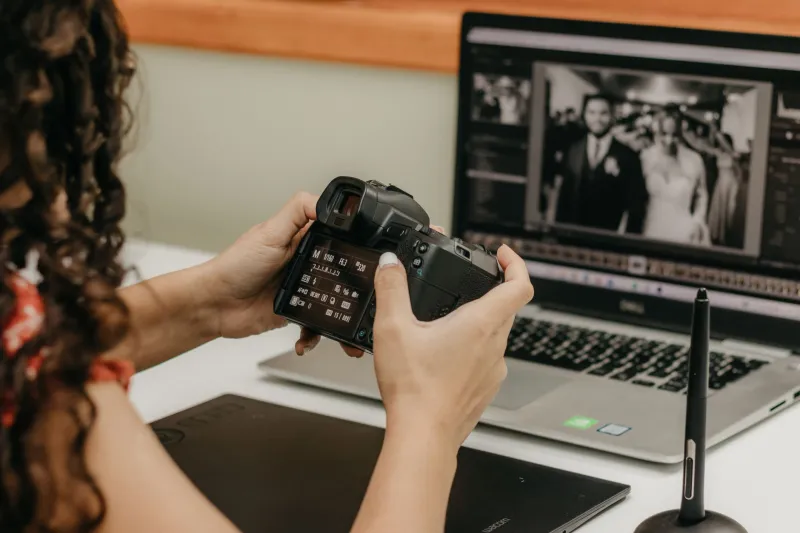
There's a quiet arms race happening in the photography industry right now, and it has nothing to do with camera gear or editing presets. It's about time. Specifically, how fast you can get finished images into your client's hands — and how loudly you advertise that fact before they ever book you.
Photographers who've locked in a defined rapid delivery window are discovering something surprising: clients don't just appreciate speed. They pay extra for it.
The Psychology Behind the Urgency Premium
When a client books a photographer, they're not just hiring a creative. They're managing anxiety. Will the images be good? Will they arrive before the event recap needs to go live? Will their boss get to see the headshots before the conference?
That anxiety is a business opportunity.
Research in consumer psychology consistently shows that reducing uncertainty commands a price premium. Think about how Amazon Prime reshaped e-commerce — not by making products cheaper, but by making delivery predictable and fast. The same dynamic is playing out in creative services. When you tell a prospective client "you'll have your gallery within 48 hours, guaranteed," you're not just offering a timeline. You're selling peace of mind.
Jordan Pierce, a commercial event photographer based in Austin, raised her starting package rate by 30% after introducing what she calls her "48-Hour Promise" in her client-facing materials. "I honestly expected pushback on the price," she says. "Instead, I started getting more inquiries from corporate clients who specifically mentioned the turnaround in their first message. They weren't price shopping anymore. They were buying the certainty."
Case Studies: Photographers Who Made Speed Their Brand
The Wedding Market Disruptor
Marcus Webb shoots weddings in the Chicago metro area and built his reputation almost entirely on a same-week delivery model. While most wedding photographers quote 6–10 weeks for full galleries, Webb delivers a curated highlight set within 48 hours and the complete gallery within five days. His base rate runs about 40% above the local market average.
"Couples want to relive the day while it still feels fresh," Webb explains. "By the time most photographers deliver, the honeymoon is a memory and life has moved on. I show up in their inbox while they're still buzzing."
His referral rate sits at over 60%, which he attributes directly to the emotional impact of fast delivery rather than image quality alone — though he's quick to note that speed without quality is just fast disappointment.
The Corporate Headshot Niche
In New York, photographer Dana Osei built a six-figure studio focused exclusively on corporate headshots with a same-day turnaround for edited selects. Her pitch is simple: executives and HR teams can't wait a week for polished images when a new hire starts Monday. She charges a premium tier for same-day digital delivery, and it accounts for nearly half her annual revenue.
"Speed in corporate work isn't a nice-to-have," Osei says. "It's a business requirement. Once I positioned myself as the person who solves that problem, I stopped competing on price entirely."
Building the System That Makes It Possible
Here's where a lot of photographers get tripped up: they love the idea of fast delivery but haven't built the infrastructure to support it. Promising 48 hours and blowing past that deadline is worse than never making the promise at all.
The operational playbook that fast-turnaround photographers use tends to follow a few consistent principles:
Cull on location, not at your desk. Tools that let you flag keepers during or immediately after a shoot dramatically reduce the time you spend staring at a screen back home. Some photographers use tablet-based culling apps in the field to get a head start before the memory card even hits the laptop.
Build a preset ecosystem that scales. Consistent lighting setups mean your editing presets do more of the heavy lifting. Photographers with fast turnarounds almost universally invest in dialing in their shooting conditions so post-production is predictable rather than a puzzle.
Automate delivery, not just editing. Platforms that trigger gallery delivery emails automatically — the moment your export finishes — remove a surprising amount of friction. The difference between a 47-hour delivery and a 52-hour delivery is often just forgetting to hit send.
Set a hard stop on revision loops. Fast delivery only works if you're not going back and forth on tweaks indefinitely. Build clear revision terms into your contracts. One round of adjustments, defined scope, firm timeline.
What You're Actually Selling
It's worth stepping back and naming what's really happening when you lead with a delivery window in your marketing. You're not just advertising a service feature. You're signaling that you're organized, professional, and respect your client's time.
In a market full of photographers with beautiful portfolios, operational reliability is a genuine differentiator. Clients who've been burned by a slow turnaround before — and most have — respond to that signal like a lighthouse in a fog.
The 48-hour window isn't magic. It won't save weak work or fix a bad client relationship. But for photographers who've already got the creative chops, building speed into the brand identity is one of the fastest ways to move upmarket.
Capture fast. Deliver faster. That's not just a motto — it's a business model.