Send It Fast, Close It Faster: The 24-Hour Delivery Rule That's Changing How Photographers Book Clients
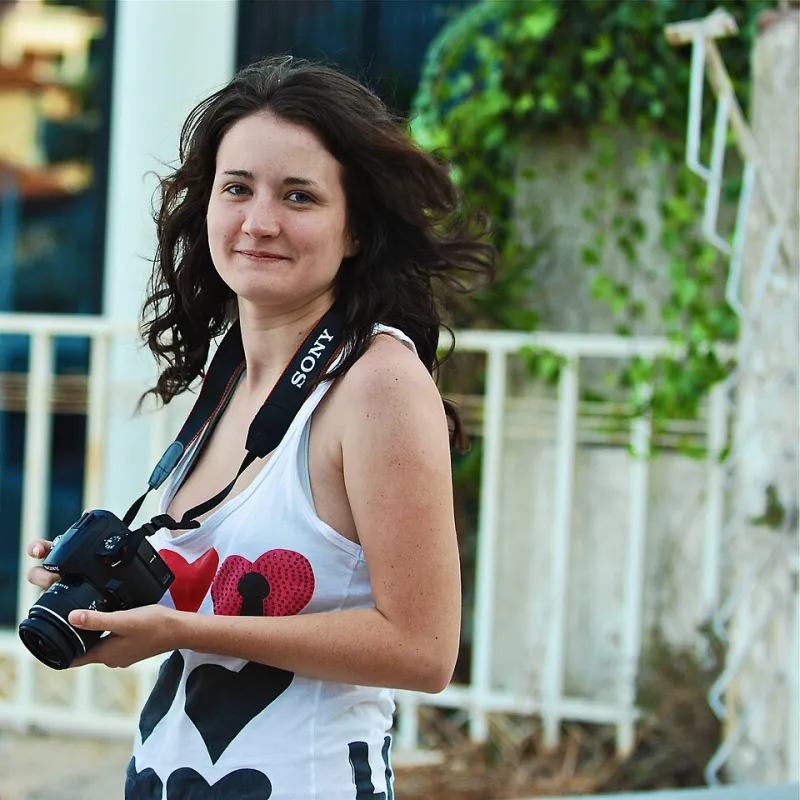
Photo: Pedro Ribeiro Simões from Lisboa, Portugal, CC BY 2.0, via Wikimedia Commons
There's a moment after every shoot when a client is at peak excitement. They loved the session. They're texting their friends about it. They're already mentally picturing where the images are going. And then they wait.
For some photographers, that wait is two weeks. For others, it's a month. By the time those galleries land in an inbox, the emotional high has cooled, the referral conversations have already happened without images to share, and the upsell window — prints, albums, additional sessions — has quietly closed.
The photographers who figured this out aren't waiting. And the numbers back them up.
What the Data Actually Shows
Across wedding, portrait, and commercial photography markets in the US, a consistent pattern has emerged: faster delivery directly correlates with higher conversion rates, more referrals, and stronger upsell revenue.
Booking managers at several mid-to-large photography studios report that photographers who deliver within 24 hours of a session see inquiry-to-booking conversion rates roughly three times higher than those operating on standard multi-week timelines. The mechanism isn't complicated — speed signals professionalism, capability, and respect for the client's time. It also keeps the emotional momentum of the shoot alive long enough to convert it into action.
"When someone gets their photos back the next morning, they're still in the feeling of the shoot," says Rachel Nguyen, a client relations manager at a portrait studio in Los Angeles. "They share immediately, they buy prints immediately, they refer friends immediately. Wait two weeks and you've lost all of that energy."
For wedding photographers specifically, the stakes are even higher. Couples who receive sneak peeks or full galleries within 24 to 48 hours are significantly more likely to leave reviews, tag vendors on social media, and refer other couples — all of which feed directly back into the photographer's booking pipeline.
The Psychology Behind the Rush
There's something deeper happening here than just convenience. Rapid delivery fundamentally changes how clients perceive a photographer's competence and trustworthiness.
When a photographer turns around polished, edited work in under 24 hours, the implied message is: I'm so good at this that it doesn't take me long. It signals mastery. It communicates that the photographer isn't struggling through edits or second-guessing every decision — they have a system, they have a standard, and they execute it consistently.
Contrast that with the photographer who delivers in three weeks with a note about being "swamped." Even if the final images are technically superior, the experience has already been colored by the wait. Doubt creeps in. The excitement fades. And when the gallery finally arrives, the client's expectations have been shaped by anxiety rather than anticipation.
Marcus Webb, a commercial photographer based in Atlanta, put it plainly: "Clients don't know the difference between a good edit and a great one. But they absolutely know the difference between fast and slow. Fast makes them feel valued. Slow makes them feel like an afterthought."
The Systems Making Fast Delivery Possible
Here's where most conversations about rapid delivery fall apart: photographers assume it means sacrificing quality or working through the night. The best operators in the game are doing neither. They've built workflows that make speed a byproduct of process, not a product of panic.
Preset Libraries, Not One-Off Edits The single biggest time drain in post-production is decision fatigue — making the same tonal and color choices image by image. Photographers delivering within 24 hours have usually invested significant upfront time building comprehensive preset libraries that cover their most common lighting scenarios. One-click application across a batch of 300 images isn't magic; it's infrastructure.
Shooting for the Edit Fast delivery starts before the shoot ends. Photographers who think about their editing workflow while they're shooting — maintaining consistent exposure, controlling light sources, using the same white balance settings across a session — dramatically reduce the time required in post. Consistency on set means consistency in the edit, which means speed.
Cloud-First Delivery Workflows Gone are the days of burning DVDs or transferring files to USB drives. Photographers delivering quickly have moved entirely to cloud-based gallery platforms that allow them to upload, organize, and share galleries without physical handoffs. Some are using tools that allow selective sharing — sending a handful of hero images within hours of a shoot while the full gallery catches up — keeping client excitement alive through the process.
Batching Strategically Rather than editing a shoot from start to finish in one sitting, high-velocity photographers often batch similar images together — all outdoor shots, all close-ups, all group frames — and apply consistent adjustments across each cluster. It's faster, more consistent, and less mentally taxing than treating every image as its own unique challenge.
Portrait and Commercial Photographers Are Doing It Too
The 24-hour delivery conversation often centers on weddings, but portrait and commercial photographers are seeing equally dramatic results.
Keisha Monroe, a family portrait photographer in Houston, shifted to a 24-hour turnaround model after noticing that her print sales were consistently low. "People would get their gallery weeks later, the kids had already moved on, the grandparents had stopped asking about the photos. By the time I sent the gallery, the urgency was gone."
After building a preset-heavy workflow and investing in a cloud gallery platform that allowed rapid uploads, she cut her delivery time to under 18 hours for most sessions. Print sales in the following quarter increased by over 60%. "People buy when they're excited," she says. "My job is to catch them while they still are."
On the commercial side, the calculus is slightly different but the outcome is the same. Brands and creative directors working with photographers who deliver quickly can iterate faster, hit publication deadlines with less stress, and are far more likely to rebook. In an industry where relationships drive repeat business, speed is a relationship tool.
Making the Switch Without Burning Out
Adopting a 24-hour delivery model doesn't mean becoming a machine. It means being strategic about where your time actually goes.
Start by auditing your current post-production process. Time yourself on your next edit. Identify the decisions that are taking the longest and ask whether a preset, a batch process, or a workflow tweak could cut that time in half. Most photographers who make this shift find that 60 to 70 percent of their editing time was spent on repeatable decisions — decisions that can be systematized.
Then communicate the shift to clients. Make fast delivery part of your value proposition, not just a surprise bonus. When clients know they're getting a 24-hour turnaround, it becomes a booking differentiator before the shoot even happens.
Speed isn't just a workflow feature. In today's market, it's a sales strategy. And the photographers who've built their operations around it aren't scrambling — they're thriving.