Your Client Is Already Watching: How Live-Edit Sharing Is Flipping the Photography Business Model
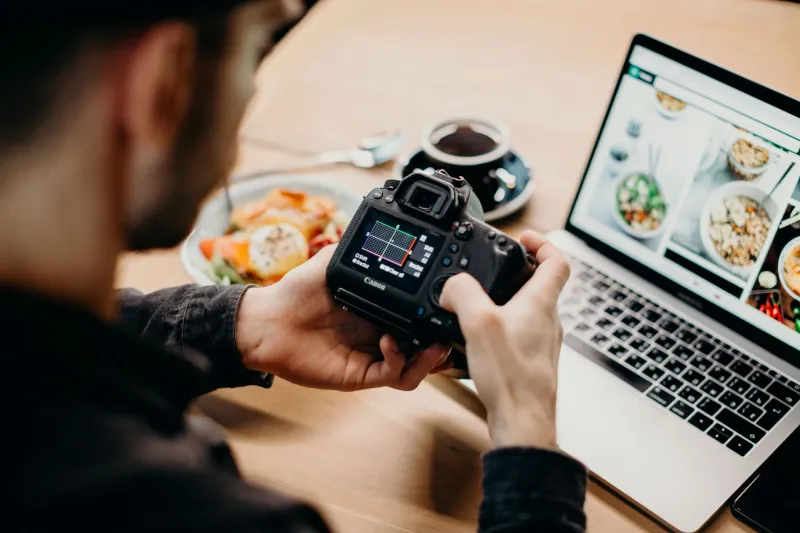
For decades, the photographer held all the cards. You shot, you culled, you edited, and somewhere between the third cup of coffee and the final export, you decided what the client got to see. The delivery was an event — a curated reveal with a bow on it.
That model is cracking fast.
Live-sharing tools, real-time gallery previews, and collaborative editing platforms are pulling back the curtain in ways that are making some photographers nervous and others very, very rich. The question isn't whether this shift is happening. It's whether you're positioned to benefit from it or get buried by it.
The Old Buffer and Why It Existed
The delay between shoot and delivery wasn't just logistical. It was psychological armor. Photographers used that window to course-correct, second-guess, and present only the work they felt confident about. It protected creative ego and, honestly, it protected against bad first impressions.
But here's the thing nobody talked about openly: that buffer also created anxiety — for clients. When someone has just paid $3,000 for their engagement session or $8,000 for a brand shoot, every day without a preview is a day they're wondering if they made the right call. Silence reads as uncertainty. Uncertainty erodes trust.
Real-time sharing flips that script entirely.
What Transparency Actually Does to a Business Relationship
When a client can see rough selects hitting a shared gallery within hours of a shoot — or in some cases, during a live tethered session — something interesting happens psychologically. The power dynamic doesn't just shift; it transforms into something more like a partnership.
Sarah Malone, a commercial photographer based in Austin, Texas, started using live gallery sharing for her brand clients about two years ago. The results surprised her.
"I thought clients would nitpick more if they saw things early," she says. "The opposite happened. They got excited. They started messaging me like we were collaborating, not waiting. And when it came time to renew contracts, I had a 90% retention rate."
That's not a coincidence. Research in consumer psychology consistently shows that participation — even passive observation — creates ownership. When clients feel involved in the process, the final product feels more like theirs. That emotional investment translates directly to satisfaction, referrals, and repeat bookings.
The Mechanics of a Live-Sharing Workflow
So what does this actually look like in practice? There's a spectrum here, and the right approach depends on your market and client type.
At the lighter end, some photographers simply enable a "processing" preview in their delivery platform — clients can see low-res selects appear as the photographer culls, with a note that final edits are coming. It's low-commitment transparency that sets expectations without inviting real-time input.
At the deeper end, some high-end commercial photographers are running full collaborative sessions — tethered to a laptop during the shoot, with a client-facing screen showing selects in real time. Art directors weigh in immediately. Reshoots happen on the spot. By the time the shoot wraps, the client has already pre-approved half the gallery.
For portrait and wedding photographers, a middle path works well: a private gallery link shared within 24 hours of the shoot, showing unedited selects with a note explaining the editing timeline. It costs almost nothing to set up and dramatically reduces the "when will my photos be ready?" messages that eat into your week.
The Contracts Piece Nobody Talks About
Here's where live sharing starts generating real revenue beyond just goodwill. Photographers who offer real-time access as a premium feature are packaging it into tiered contracts.
Think about it: if a standard commercial package includes delivery in 10 business days, an upgraded "Priority Collaboration" tier offering live gallery access, same-day selects, and a dedicated feedback window commands a 20-30% price premium — and clients in fast-moving industries like e-commerce, real estate, and event marketing will pay it without blinking.
You're not just selling faster photos. You're selling certainty. In business photography especially, that certainty has a real dollar value attached to it.
The Psychological Cost (And How to Manage It)
Let's be honest: opening your raw process to client eyes before you've polished it takes a specific kind of professional confidence. Not everyone is ready for that, and that's okay. But it's worth examining whether the discomfort is protecting your craft or just your ego.
A few guardrails that experienced photographers use to make live sharing work without losing creative control:
Set clear expectations upfront. A simple note in your onboarding materials explaining that early previews are unedited selects — not finished work — prevents misinterpretation almost entirely.
Control what's visible. Most modern gallery platforms let you choose which images populate a shared view. You're not showing everything; you're showing a curated live stream of your best selects as you go.
Define feedback windows. Instead of an open-ended invitation for ongoing input, specify a 48-hour feedback period after selects are shared. This keeps the collaboration structured and prevents scope creep.
Speed as a Trust Signal
At its core, the shift toward live sharing is really about what speed communicates to clients. In a market where photographers are competing on price, personality, and portfolio, turnaround time has become one of the clearest signals of professionalism.
When you share a preview gallery within hours of wrapping a shoot, you're not just being fast. You're demonstrating that your workflow is organized, your eye is confident, and your business operates at a level that respects the client's time and investment.
That's a message no portfolio page can deliver as cleanly as a notification that says: Your photos are already here.
The photographers winning the biggest contracts in 2024 aren't necessarily the most technically gifted in the room. They're the ones who've figured out that transparency, delivered quickly, is one of the most powerful sales tools in the industry. The buffer was never protecting the work. It was just protecting the wait.