One Frame Before the Finish Line: Why Micro-Previews Are the New Secret Weapon in Client Relationships
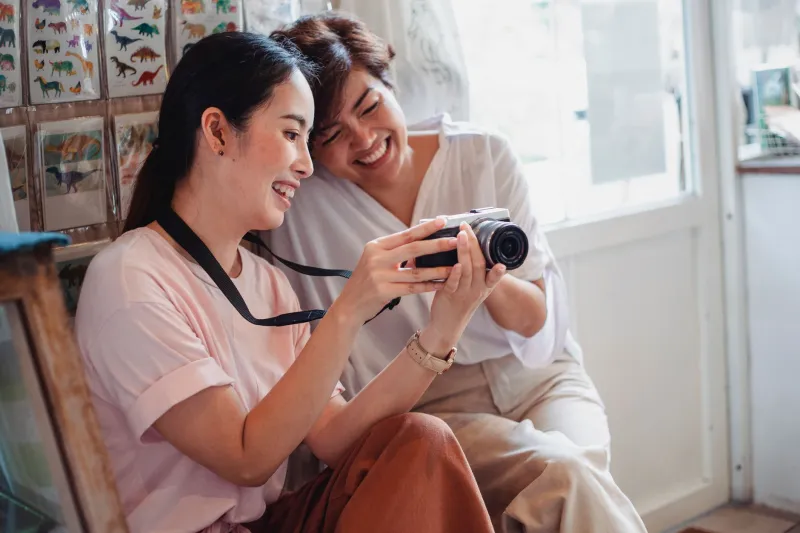
Imagine wrapping a wedding reception, loading your gear into the car, and — before you've even hit the highway — sending the couple a single, perfectly edited frame from the dance floor. Their phone lights up. They screenshot it. They text it to their mom. By the time you're home, it's already on Instagram with your name tagged in the caption.
That's not luck. That's strategy.
A growing number of photographers across the US are ditching the old "sit tight, gallery coming in two weeks" model and replacing it with something far more powerful: the micro-preview. One frame. Maybe a 10-second video clip. Sent at exactly the right moment to do exactly the right job. And the results? Fewer revision requests, more referrals, and clients who are already emotionally invested in the work before the full gallery even drops.
What Is a Micro-Preview, Exactly?
A micro-preview isn't a sneak peek folder with 40 images. It's not a watermarked proof sheet. It's a single, deliberate, fully edited moment — chosen because it hits hard, tells a story, and makes the client feel something real.
Some photographers send it mid-shoot during a quick break. Others fire it off within an hour of wrapping. A few are experimenting with short video teasers — a 10-second slow-motion clip, maybe with a music track dropped in — delivered via text or DM before the client's even gotten home to change out of their outfit.
The format matters less than the timing and the intention behind it. This isn't about showing off your turnaround speed (though that doesn't hurt). It's about creating a moment of connection that anchors the client's emotional response to your edit before anyone else's opinion gets in the way.
Why Timing Changes Everything
Here's the psychology at play: clients are at peak emotional investment right after a shoot. The adrenaline is still running. The memories are fresh. That's the window where a single great image can do more persuasive work than 500 images delivered two weeks later when the moment has cooled.
When you send a micro-preview in that window, you're essentially meeting the client where their feelings already are. You're saying, "Remember that moment? Here it is." And because their emotional state is still tied to the experience, they receive the image with warmth, not critique.
Contrast that with a gallery delivered 14 days post-shoot. The client has moved on mentally. They've seen other photographers' work on social media. They've had time to build expectations — and sometimes, unrealistic ones. Now they're reviewing your work with fresh eyes and cooler emotions, which is exactly the environment where nitpicking thrives.
The micro-preview short-circuits all of that. It re-anchors them to the experience before the critical brain kicks in.
The Revision Problem (And How One Frame Fixes It)
Ask any photographer what their least favorite part of the job is, and revisions are almost always in the top three. Clients who request edits after delivery aren't usually unhappy with the work — they're often just uncertain. They weren't sure what to expect, so when the gallery arrived, they started comparing, second-guessing, and picking.
Micro-previews solve this by establishing a shared visual language early. When a client reacts to your preview — and they almost always react — you get real-time feedback on your edit style. If they love the moody, warm tones you used on that first frame, you know to lean into that for the full gallery. If they mention wanting something brighter, you find out now, not after you've color-graded 800 images.
That single touchpoint becomes a low-stakes calibration moment. And calibrated clients don't send revision requests.
Turning Delivery Into a Multi-Touch Sales Event
Here's where this gets really interesting for photographers who are also thinking about business growth. The traditional gallery delivery is a single event — one email, one link, one reaction. But what if the reveal stretched across multiple moments?
Micro-preview photographers are essentially turning the delivery process into a campaign. It looks something like this:
- Touch 1: Mid-shoot or within an hour of wrapping — one hero image, no explanation needed.
- Touch 2: 24–48 hours later — a short video teaser or a second frame with a note like, "Couldn't stop editing. More coming soon."
- Touch 3: Full gallery delivery — now landing to a client who has been warmed up, emotionally primed, and already excited.
Each touch builds anticipation. Each one reinforces the value of what they're about to receive. By the time the full gallery drops, it doesn't feel like a transaction — it feels like an event they've been waiting for.
Practical Tips for Pulling This Off Without Burning Extra Hours
The biggest pushback photographers have when they hear this idea is time. "I'm already editing as fast as I can. Now I need to stop and pull a preview too?"
Fair point. But here's the thing — a micro-preview doesn't require a full edit. It requires one great edit. Most photographers can identify their best frame from a shoot within minutes of importing. Run it through your preset, do a quick tone adjustment, export at web resolution, and send. We're talking 10–15 minutes, max.
A few tools that make this faster:
- Lightroom Mobile lets you edit on your phone during the drive home (if you're not driving, obviously).
- Snapseed is a surprisingly powerful quick-edit option for a single frame.
- Apps like Unfold or Canva can help you add a simple branded frame if you want it to look polished before it hits their DMs.
For video teasers, CapCut and InShot are both free, fast, and don't require any real editing experience to produce something that looks intentional.
The goal isn't perfection. The goal is presence — showing up in your client's world at the exact moment their excitement is highest.
The Referral Bonus Nobody Talks About
One more thing worth mentioning: clients who receive micro-previews share them. Almost universally. A stunning image hitting someone's phone an hour after their shoot? That goes straight to their stories, their group chats, their family texts. And when it does, it's carrying your name with it.
That's organic marketing you didn't have to pay for, built on a workflow tweak that costs you 15 minutes.
In a world where photographers are competing hard for attention and bookings, the ones who understand that delivery is a relationship moment — not just a logistics task — are the ones pulling ahead. The micro-preview isn't a gimmick. It's a mindset shift. And once you send your first one and watch the response roll in, you won't go back.