Hang Up, Move On: Why a 30-Second Post-Shoot Call Is Killing the Email Chain for Good
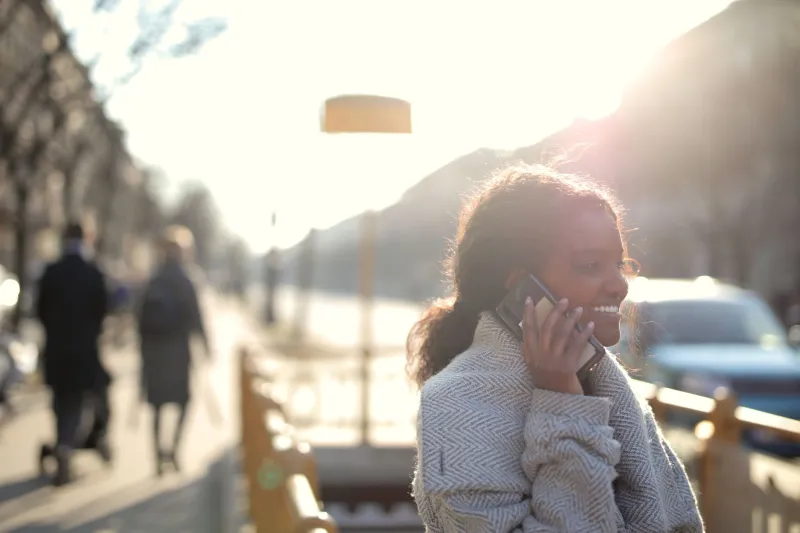
You just wrapped a shoot. You're packing up your gear, adrenaline still running a little hot, and somewhere in the back of your mind you're already dreading the inbox. The follow-up email. The confirmation thread. The "just checking in" messages that will stretch from Tuesday into the following weekend.
What if you just... called them? Right now. For thirty seconds.
More photographers across the US are doing exactly that — and they're shaving days off their pre-delivery communication without sacrificing a single ounce of professionalism. It sounds almost too simple, but the data and the real-world results are making a strong case.
The Email Fatigue Problem Is Bigger Than You Think
According to a 2023 report from Superhuman, the average professional receives over 120 emails per day and takes anywhere from 90 minutes to several hours to work through their inbox. For your clients — who are often busy parents, business owners, or event planners — your follow-up email is competing with invoices, Slack notifications, school newsletters, and their boss's reply-all.
Response fatigue is real. A message that requires even minimal cognitive effort to answer gets deferred. Deferred turns into forgotten. Forgotten turns into you sending a second email, which starts the whole cycle over.
Photographers who've switched to quick verbal check-ins report that clients respond immediately — because a ringing phone demands a response in a way that a subject line simply doesn't.
What a 30-Second Call Actually Looks Like
Let's be honest: "30 seconds" is a little bit of marketing shorthand. Some calls run a minute and a half. A few go three minutes if the client has a lot of energy after the shoot. But the point is the intent — you're not scheduling a debrief, you're making a fast, focused call to lock down three things:
- Confirmation of key details — delivery format, gallery link preferences, any specific images they're waiting on.
- Instant feedback — a quick "how'd you feel about today?" that surfaces any concerns before they fester.
- Next steps — when they can expect delivery, and what they need to do (if anything) on their end.
That's it. You're not pitching upsells. You're not running through a checklist. You're having a human conversation that replaces what would otherwise be a four-email thread spanning 72 hours.
Charlotte-based wedding photographer Dana Reyes started doing post-shoot calls in early 2023 after a particularly painful back-and-forth with a bride over album preferences. "I had sent five emails over eight days and we still hadn't confirmed the layout," she says. "Now I call within an hour of leaving the venue. We cover everything in two minutes and I'm editing by that night."
Dana estimates she's cut her pre-delivery communication time by more than half.
The Framework: Fast Without Feeling Rushed
The hesitation most photographers have is sounding unprofessional — like they're rushing the client out the door. The trick is in the framing. You're not calling because you're in a hurry. You're calling because you want to strike while the energy is still high.
Here's a simple structure that works:
Open with enthusiasm, not urgency. "Hey, I just wanted to say — today was really fun, I got some shots I'm genuinely excited about." This sets a warm tone and reminds the client they just had a good experience.
Ask one open question. "Is there anything specific you're hoping to see in the first round?" One question. Not five. Let them talk for 20 seconds.
Confirm and close. "Perfect — I'll have your gallery ready by [date]. You'll get a link via email and all you need to do is click through and let me know your picks. Sound good?"
Done. You've replaced a week of emails with a 90-second conversation, and your client feels more cared for, not less.
Why Timing Is Everything
The secret ingredient here isn't the script — it's the timing. Calling within an hour of the shoot's end is dramatically more effective than calling the next morning. Clients are still emotionally engaged. The experience is fresh. They haven't had time to second-guess anything, and neither have you.
Portland-based commercial photographer Marcus Tillman, who shoots product campaigns for e-commerce brands, switched to same-day verbal confirmations after noticing that his email threads got exponentially longer the longer he waited to initiate contact. "If I email the next day, I'm starting from scratch emotionally. If I call within the hour, we're still in the same headspace. It's a completely different conversation."
Marcus now closes 90% of his post-shoot logistics in a single call. His average pre-delivery email count dropped from eleven messages to two — a confirmation summary he sends after the call, and the gallery delivery itself.
The Summary Email: Your Paper Trail Without the Back-and-Forth
One thing worth keeping: a short follow-up email after the call. Not a conversation starter — a confirmation. Something like:
"Great talking with you! As discussed: gallery delivery by Friday, 50-image selection, full-res downloads included. Let me know if anything changes."
This gives you documentation, gives the client something to reference, and closes the loop cleanly. You're not replacing email entirely — you're just making it a receipt instead of a negotiation.
What This Means for Your Overall Speed
At PhotoRush, we talk a lot about how fast delivery builds client loyalty. But fast delivery only matters if the pre-delivery process isn't dragging you down. Every day you spend waiting on an email reply is a day your editing queue sits idle, your momentum stalls, and your client's excitement cools.
The photographers who are operating at the highest speed right now aren't just using better editing tools or smarter platforms. They're eliminating the friction points that most people don't even think to question — like the assumption that all client communication has to happen over email.
A 30-second call isn't a shortcut. It's a smarter route.
Make the Call
Next shoot you do, try it. Pack up your gear, take a breath, and dial your client before you've even reached your car. Keep it warm, keep it brief, and let them know you're already excited about what you captured.
You'll spend less time in your inbox. You'll deliver faster. And your clients will remember that you were the photographer who made the whole process feel effortless — because you did.